Zapican
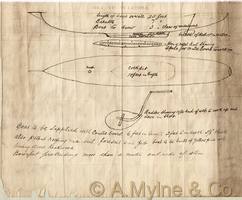
Zapican was built to A. Mylne & Co. Design 166, which also encompassed the yachts Aurora and Brisa. The design dates to 1909 and specifies a vessel of modest dimensions: 20 feet on the waterline, 7 feet beam, and 3 feet draft, with a sail area of 320 square feet. The current status of Zapican is not known. Builder details, construction specifications, engine type, and year of build remain unrecorded in the register.
Ownership
No ownership records held for this vessel.
Crew
No crew records yet. If you've sailed on this yacht, claim your place in her history.
Specification
Design Archive
 Misc
MiscDesign No. 166
Aurora & Brisa
Designed 1909
Sister Yachts
54 other vessels built to the same design.
Aurora
1909· No
Ollantay
1909
Brisa
1909
Cefiro I
1911
Euro
1912
Delta
1912
Cefiro II
1916· Not Known
Blue Nose
1921
Boyero
1927· Not Known
Midi
1927
Cisne
1931
Sirio
1931
Himboy
1932· Not Known
Poseidon
1932
Amancay
1940
Achalay
1940
Guaycuru
—
Bipiry
—· Not Known
Tala
—· Not Known
Buenos Aires
—· Not Known
Perseo
—· Not Known
Emboti
—· Not Known
Jade
—
Ceibo
—
Itagua
—
Laurel
—
Bambu
—
Junco
—
Timbo
—
Garnet
—· Not Known
Cameo
—· Not Known
Alamo
—· Not Known
Flecha
—
Driue
—· Not Known
Cruz del Sur
—· Not Known
Bipiry
—
Bermejo
—
Matrero
—
Sauce
—
Ibicuy
—
Atalaya
—· Not Known
Febo
—· Not Known
Golondrina
—
ahati
—
Racha
—
Taboada
—· Not Known
Tunuyan
—· Not Known
Yamandu
—
Chacay
—· Not Known
Mimbre
—· Not Known
Coral
—· Not Known
Parana
—
Hermes
—
Pilcomayo
—· Not Known
Historical Context
Design 166 dates to 1909, a period of sustained activity at A. Mylne & Co. The office, established in 1896 by Alfred Mylne and based in Glasgow, had by this date become known for varied work across cruising yachts, racing designs, and small commercial craft. The modest dimensions and shallow draft of Design 166 reflect practical concerns of the era: suitability for Scottish waters, ease of handling, and economy of construction. The proliferation of similar small designs under a single number (Aurora, Brisa, and Zapican) was consistent with Mylne's approach to offering stock designs alongside bespoke commissions. The fate of many such vessels from this era remains uncertain, as systematic records of smaller craft were often not preserved.