Cefiro II
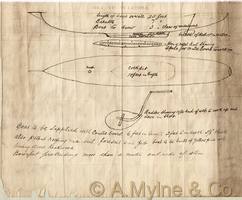
Cefiro II was a wooden sailing yacht built in 1916 by Hilditch of Carrickfergus to design number 166 from A. Mylne & Co., the Glasgow-based yacht design office. The design, titled Aurora & Brisa, was created in 1909. The yacht measured 20 feet on the waterline with a beam of 7 feet and draft of 3 feet, carrying 320 square feet of sail. The current status and location of Cefiro II are not known.
Ownership
No ownership records held for this vessel.
Crew
No crew records yet. If you've sailed on this yacht, claim your place in her history.
Specification
Details
Design Archive
 Misc
MiscDesign No. 166
Aurora & Brisa
Designed 1909
Sister Yachts
54 other vessels built to the same design.
Aurora
1909· No
Ollantay
1909
Brisa
1909
Cefiro I
1911
Delta
1912
Euro
1912
Blue Nose
1921
Boyero
1927· Not Known
Midi
1927
Cisne
1931
Sirio
1931
Himboy
1932· Not Known
Poseidon
1932
Amancay
1940
Achalay
1940
Pilcomayo
—· Not Known
Guaycuru
—
Bipiry
—· Not Known
Tala
—· Not Known
Buenos Aires
—· Not Known
Perseo
—· Not Known
Driue
—· Not Known
Jade
—
Ceibo
—
Itagua
—
Laurel
—
Bambu
—
Junco
—
Timbo
—
Garnet
—· Not Known
Cameo
—· Not Known
Alamo
—· Not Known
Flecha
—
Cruz del Sur
—· Not Known
Bipiry
—
Bermejo
—
Matrero
—
Sauce
—
Ibicuy
—
Atalaya
—· Not Known
Febo
—· Not Known
Golondrina
—
ahati
—
Racha
—
Taboada
—· Not Known
Tunuyan
—· Not Known
Yamandu
—
Zapican
—· Not Known
Chacay
—· Not Known
Mimbre
—· Not Known
Coral
—· Not Known
Hermes
—
Emboti
—· Not Known
Parana
—
Historical Context
Design 166, Aurora & Brisa, emerged from A. Mylne & Co. in 1909, a period when the firm was consolidating its reputation in small yacht design. The seven-year interval between design and Cefiro II's construction in 1916 was not unusual; designs were often built to order over extended periods, or revived after initial creation. Hilditch of Carrickfergus was among several regional builders who worked from Mylne designs during this era. The First World War (1914–1918) disrupted yacht building; Cefiro II's construction in 1916 occurred during the conflict, suggesting either essential naval or civilian work, or completion of pre-war commissions. Post-war, records for many small wooden vessels became sparse, particularly those that did not enter significant racing fleets or remain in prominent ownership.