
Emboti
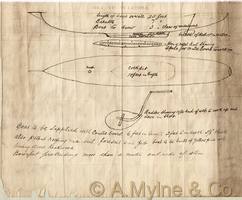
Emboti was built to design 166 from the A. Mylne & Co. office, a design named Aurora & Brisa and completed in 1909. The yacht measured 20 feet on the waterline with a beam of 7 feet and draft of 3 feet, carrying 320 square feet of sail. Beyond these dimensions and the design date, details of her builder, construction method, engine, and subsequent history remain unrecorded. Her current location and state of preservation are not known.
Ownership
No ownership records held for this vessel.
Crew
No crew records yet. If you've sailed on this yacht, claim your place in her history.
Specification
Details
Registry & Identity
Design Archive
 Misc
MiscDesign No. 166
Aurora & Brisa
Designed 1909
Sister Yachts
54 other vessels built to the same design.
Aurora
1909· No
Brisa
1909
Ollantay
1909
Cefiro I
1911
Euro
1912
Delta
1912
Cefiro II
1916· Not Known
Blue Nose
1921
Boyero
1927· Not Known
Midi
1927
Cisne
1931
Sirio
1931
Himboy
1932· Not Known
Poseidon
1932
Achalay
1940
Amancay
1940
Laurel
—
Bambu
—
Junco
—
Timbo
—
Garnet
—· Not Known
Cameo
—· Not Known
Flecha
—
Matrero
—
Sauce
—
Ibicuy
—
Atalaya
—· Not Known
Febo
—· Not Known
Golondrina
—
ahati
—
Racha
—
Taboada
—· Not Known
Tunuyan
—· Not Known
Yamandu
—
Zapican
—· Not Known
Chacay
—· Not Known
Mimbre
—· Not Known
Alamo
—· Not Known
Guaycuru
—
Coral
—· Not Known
Bermejo
—
Bipiry
—
Cruz del Sur
—· Not Known
Driue
—· Not Known
Hermes
—
Parana
—
Pilcomayo
—· Not Known
Bipiry
—· Not Known
Tala
—· Not Known
Buenos Aires
—· Not Known
Perseo
—· Not Known
Jade
—
Ceibo
—
Itagua
—
Historical Context
In 1909, A. Mylne & Co. was in its second decade of operation, having been established in 1896. The office was known for designing sailing yachts across a wide range of sizes, from small coastal cruisers to substantial ocean-going vessels. Design 166 reflects the firm's sustained engagement with the market for modest, functional sailing craft—a sector that remained buoyant in Edwardian Britain despite growing interest in steam and motor vessels. The design philosophy evident in Emboti's dimensions suggests an emphasis on seaworthiness and practicality over racing performance, consistent with Mylne's broader approach during this period.