
Tunuyan
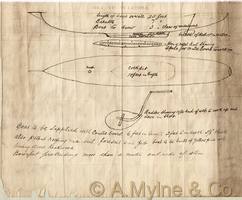
Tunuyan was built to A. Mylne & Co. design number 166, known as the Aurora & Brisa class, conceived in 1909. The vessel was constructed by the Argentine builder Franchie. With a waterline length of 20 feet, a beam of 7 feet, and a draft of 3 feet, Tunuyan was a modest sailing yacht of the period. The design carried 320 square feet of sail area. Current whereabouts and condition are not established.
Ownership
No ownership records held for this vessel.
Crew
No crew records yet. If you've sailed on this yacht, claim your place in her history.
Specification
Details
Registry & Identity
Design Archive
 Misc
MiscDesign No. 166
Aurora & Brisa
Designed 1909
Sister Yachts
54 other vessels built to the same design.
Aurora
1909· No
Ollantay
1909
Brisa
1909
Cefiro I
1911
Euro
1912
Delta
1912
Cefiro II
1916· Not Known
Blue Nose
1921
Boyero
1927· Not Known
Midi
1927
Cisne
1931
Sirio
1931
Himboy
1932· Not Known
Poseidon
1932
Amancay
1940
Achalay
1940
Guaycuru
—
Bipiry
—· Not Known
Tala
—· Not Known
Buenos Aires
—· Not Known
Perseo
—· Not Known
Emboti
—· Not Known
Jade
—
Ceibo
—
Itagua
—
Laurel
—
Bambu
—
Junco
—
Timbo
—
Garnet
—· Not Known
Cameo
—· Not Known
Alamo
—· Not Known
Flecha
—
Driue
—· Not Known
Cruz del Sur
—· Not Known
Bipiry
—
Bermejo
—
Matrero
—
Sauce
—
Ibicuy
—
Atalaya
—· Not Known
Febo
—· Not Known
Golondrina
—
ahati
—
Racha
—
Taboada
—· Not Known
Yamandu
—
Zapican
—· Not Known
Chacay
—· Not Known
Mimbre
—· Not Known
Coral
—· Not Known
Parana
—
Hermes
—
Pilcomayo
—· Not Known
Historical Context
Design 166, the Aurora & Brisa class, was produced by A. Mylne & Co. in 1909, a period when the practice was developing its reputation for practical small craft and cruising yachts. Mylne's output in the early 1900s encompassed a range from modest auxiliary vessels to larger schooners and cutters. The commissioning of Tunuyan in Argentina demonstrates the international scope of Mylne's clientele and the appeal of Scottish yacht design in the southern hemisphere. Small yachts of this class were often employed for cruising, racing in local fleets, or as working vessels in colonial and post-colonial maritime communities.