Custodians of the Legacy
The continuity of Mylne is a story of stewardship. Each person here received something from those who came before, and passed it on to those who followed.
Alfred Mylne
1872 – 1951Alfred Mylne established A. Mylne & Co. in Glasgow in 1896, the year he turned twenty-four. He had trained under G.L. Watson — the foremost naval architect in Britain at the time — and brought to his own practice the rigour and discipline of that education alongside a personal conviction that a sailing yacht should be both fast and beautiful.
Over the next five decades Mylne designed more than seven hundred yachts, ranging from twelve-metres and ocean racers to cruising yachts and motor vessels. His clients included some of the most prominent owners in Britain and Europe. His designs won races on the Clyde and in international waters, and his reputation placed him alongside Fife and Watson as one of the defining voices of Clyde yacht design during its golden age.
Mylne continued working until late in his life. When he died in 1951 he left behind not only the designs themselves but the archive that made them comprehensible — the drawings, correspondence and records of a practice that had operated continuously for more than fifty years.
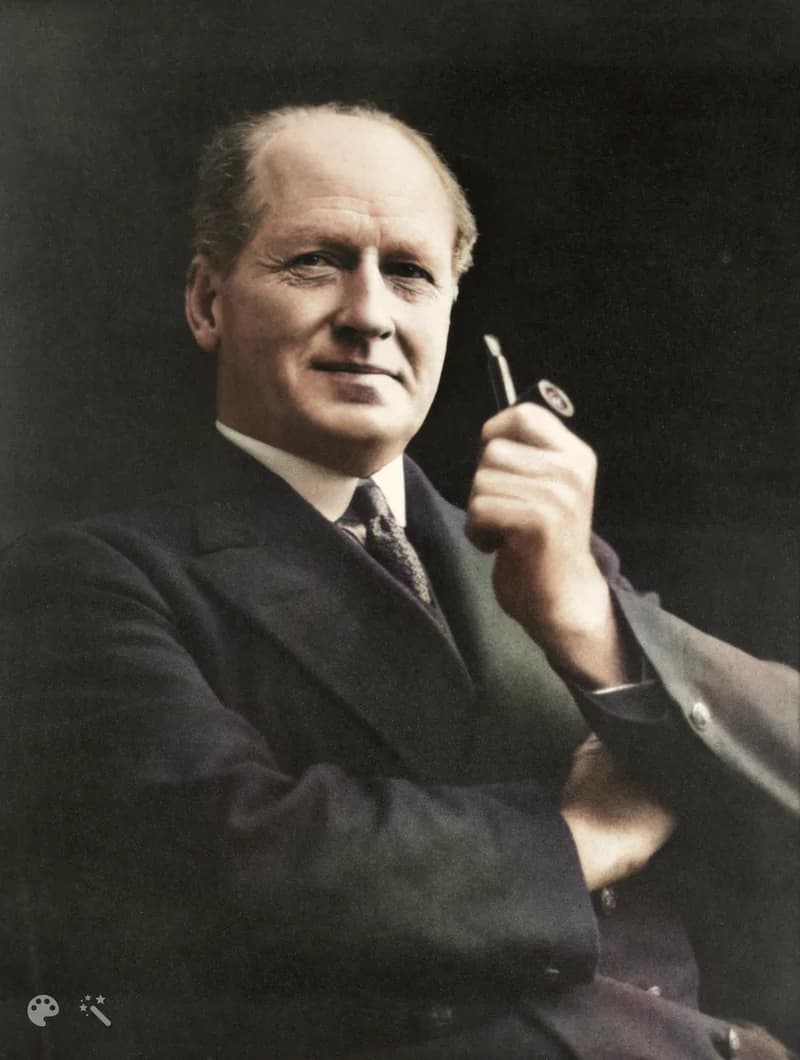
Alfred Mylne II
1918 – 1979Alfred Mylne II inherited the practice from his uncle and continued its operation through the changed landscape of post-war yachting. The immediate post-war years were difficult for all forms of recreational sailing, but the practice remained active and the design standards remained high.
Alfred Mylne II understood that what he had inherited was not simply a business but a reputation — one that had been built over fifty years and that depended on the quality of the work rather than the volume of commissions. He maintained that standard through his own stewardship of the practice and through his careful preservation of the archive.
His role in the story of Mylne is often underestimated. It is easier to celebrate a founder than to appreciate the quiet work of continuation. But without that continuity of leadership there would have been no archive, no sustained practice and no foundation for what came later.
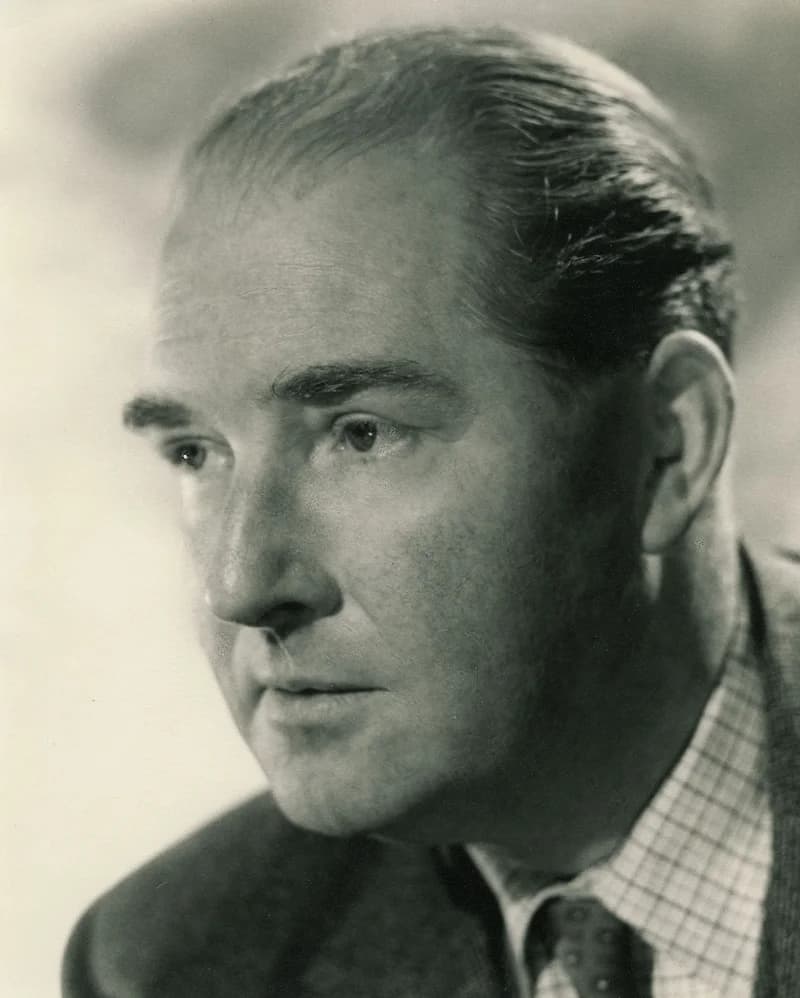
Ian Nicolson
1926 – 2002Ian Nicolson joined the practice as a partner and became the person who carried the Mylne name beyond the Mylne family. His arrival represented a transition — from a family practice to something more like a professional succession — and he handled that transition with care and intelligence.
Nicolson brought his own design sensibility to the practice while maintaining the values and standards that had defined it from the beginning. He was also a writer and a communicator, and his books on yacht design and construction helped to disseminate the technical knowledge that had been one of the foundations of the Mylne reputation.
When Nicolson retired, the practice as an active enterprise effectively came to an end. But the archive — the tangible record of everything the practice had produced — survived under his care. That it was passed on intact, rather than scattered or discarded, was one of the most important decisions in the long history of the Mylne office.
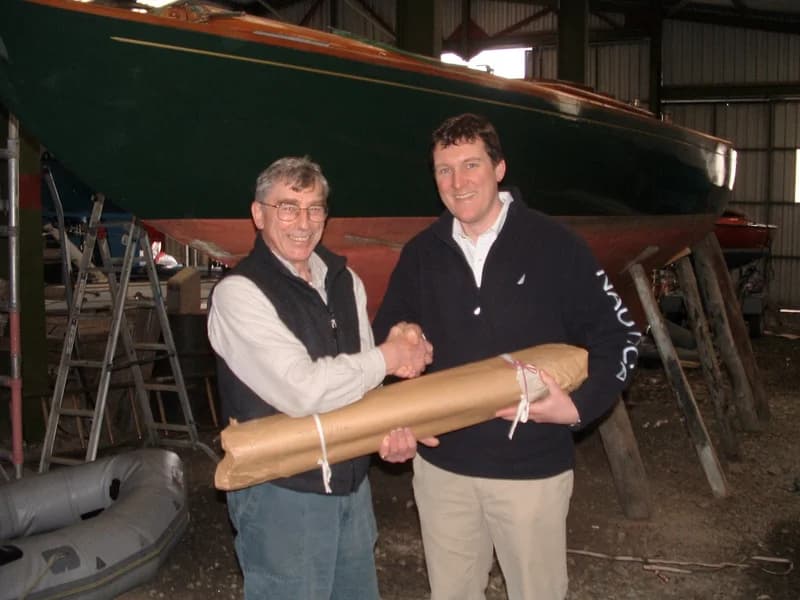
David Gray
2007 – presentDavid Gray acquired the Mylne archive in 2007, beginning a project of preservation and scholarship that would take the better part of two decades. The archive he received — thousands of drawings, hundreds of letters, photographs, calculations and records — was intact but uncatalogued, and the work of making it accessible had to begin from first principles.
The cataloguing and digitisation project that followed was long, methodical and largely invisible work. Each drawing had to be identified, assigned to its design number, conserved and photographed. Correspondence had to be dated, sorted and indexed. The three-dimensional material — half-models, tools, instruments — had to be photographed and recorded. The result was the digital archive that now exists in multiple copies and forms the foundation of the online resource.
The Alfred Mylne biography, published in 2023, was the first major publication to draw directly on this material. It placed Mylne in the context of the wider history of yacht design and told, for the first time, a comprehensive account of the man and the practice. Mylne's Register of Yachts followed, connecting owners of Mylne yachts to the original design records and making the archive directly relevant to the people who still sail what the archive documents.
Gray presents his role as one of stewardship rather than ownership — holding the archive in trust for the designers, builders, owners and researchers who have a claim on its contents. The goal has been access: to make the archive serve the purposes for which it was created, and to ensure that the story it tells does not go untold.
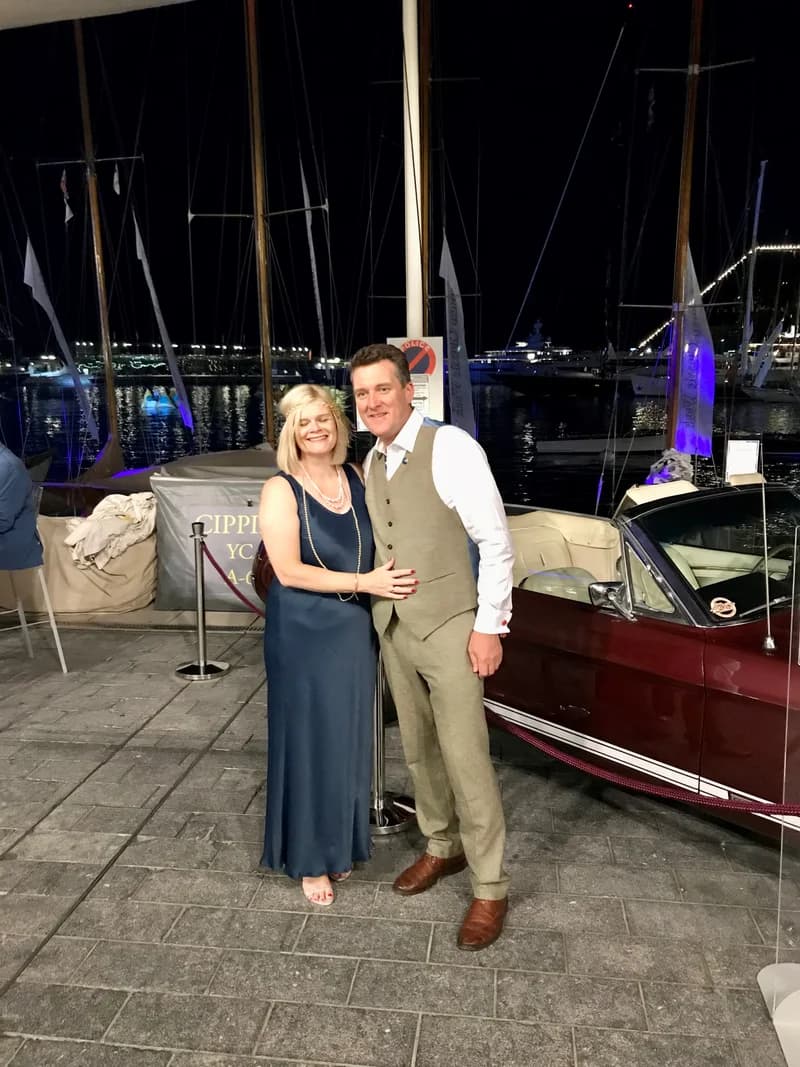
Philippe Fabre
d. 18 June 2017Philippe Fabre became involved with Mylne in 2010 through the commission of the PF36 motor yacht — one of the first new Mylne designs in decades and a signal that the historic name could support a modern practice. His enthusiasm for the project went well beyond the commission itself, and he quickly became one of the most energetic supporters of the wider vision for Mylne as a living design house.
His interest in innovation alongside heritage led to the development of the Bolt 18 electric tender, demonstrating that a firm with roots in the 1890s could engage seriously with twenty-first century technology. The combination — classical proportions, modern engineering — was precisely the argument that the revived Mylne practice was trying to make.
Beyond his role as a client, Philippe became a trusted friend and supporter of the wider project. His involvement in the international classic yacht community helped to introduce the modern Mylne story to audiences that might not otherwise have encountered it. He understood what was being attempted and believed in its value.
Following his death on 18 June 2017, that connection continued through his family. The relationships he built and the projects he initiated remained part of the Mylne story, and his memory is held with genuine affection by those who knew him.
Photograph to be added
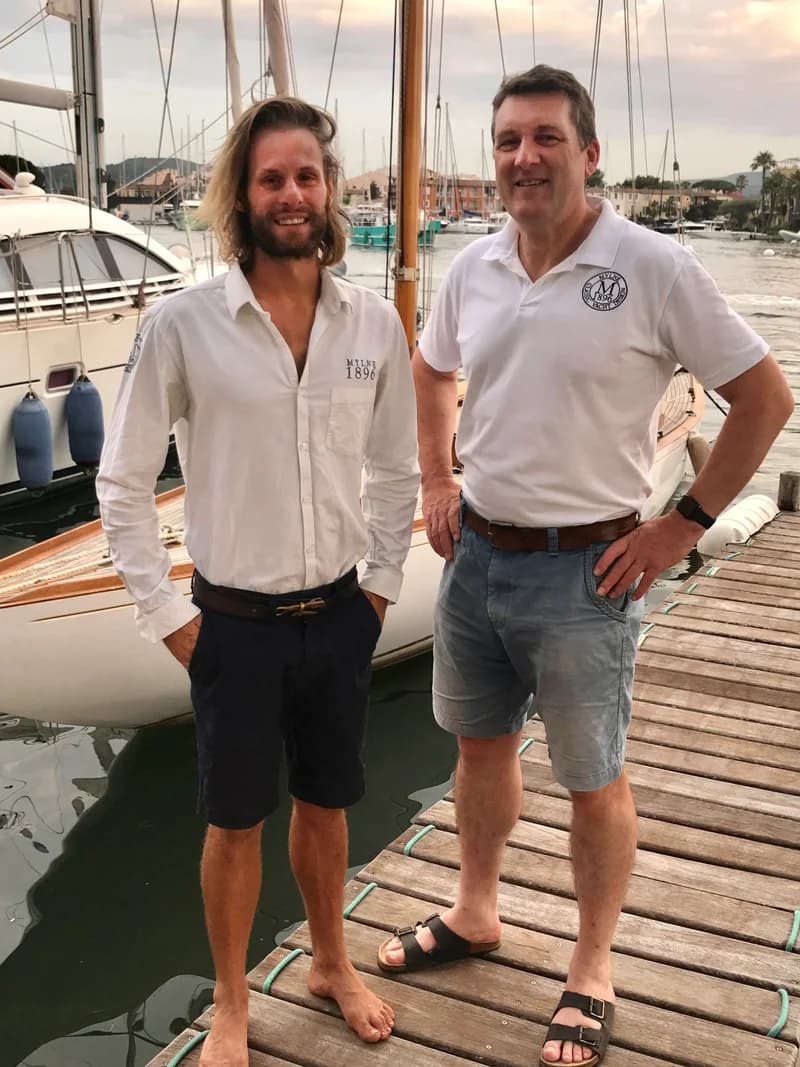
Robbie Fabre
PresentThe story of Mylne has always been one of continuation — each generation receiving something from the last and holding it for the next. Robbie Fabre represents that principle for the modern chapter of the Mylne story.
His father Philippe was among the earliest and most enthusiastic supporters of the modern Mylne revival. The relationship that Philippe built with the practice, the archive and the wider community of owners and enthusiasts does not end with his death. It continues through his family and through the projects and connections that he helped to create.
Heritage, in the end, is not a fixed thing. It grows as the story grows, and the people who are part of the story — owners, researchers, supporters, custodians — are themselves part of what will be remembered. The future of Mylne depends on people like Robbie Fabre: the next generation of those who care about what the archive preserves and what the yachts represent.
The Story Continues
The archive preserves the past. The owners preserve the yachts. The custodians preserve the legacy.
Every person who sails a Mylne yacht, accesses the archive or supports the work of preservation becomes part of this story. The heritage of Mylne is not a closed account — it is something that grows with each new chapter.