Glen Oe
ex Glen Colin
Also known as: G10
Glen Oe, originally named Glen Colin, is a wooden yacht built in 1949 by W A Clapham of Bangor, Co Down to design number 400 in the Glen Class series. The vessel measures 18 feet on the waterline with a beam of 6.5 feet and a draft of 4 feet, carrying 267 square feet of sail area. She remains in existence, preserving a record of A. Mylne & Co.'s small yacht design practice in the post-war period.
Ownership
No ownership records held for this vessel.
Crew
No crew records yet. If you've sailed on this yacht, claim your place in her history.
Specification
Details
Registry & Identity
Design Archive
 Misc
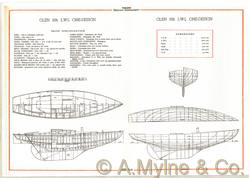
MiscDesign No. 400
Glen Class
Designed 1945
Sister Yachts
37 other vessels built to the same design.
Glen Shesk
1946
Glen Shiel
1947
Glenaan
1947
Glen Correl
1947
Glen Shane
1947
Glen Roan
1948
Glen Gesh
1948
Lapwing
1948
Glen
1948· Not Known
Glen Moyle
1949
Glen Dun
1949
Glen Iris
1949
Glen Helen
1949
Glenariff
1949
Glen Isla
1949
Osiris
1949· afloat
Glen Roy
1949· No
Dorinda
1950· No
Margaret
1950
Glen Orchy
1950
Glen Coe
1950
Glendhu
1950
Glen Reagh
1950
Glen May
1950
Glen Elg
1950
Glen Cree
1950
Glen Cona
1951
Pterodactyl
1951
Kingfisher
1951· Not Known
Glen Fern
1951
Unnamed (32
1951· No
Glen Cuan
1951
Glen Millar
1951
Glen Dora
1951
Glen Lena
1952· Not Known
Glen Lark
1952
Glen Luce
1965
Historical Context
The Glen Class design was created in 1945, during the final phase of wartime restrictions on yacht construction. A. Mylne & Co., operating from offices in Glasgow, maintained a substantial practice in small yacht design throughout the 1940s, preparing specifications for the anticipated revival of amateur sailing. The Glen Class represents a design approach suited to builders with limited resources and traditional methods. By licensing designs to regional builders such as W A Clapham, the office extended its commercial reach beyond its traditional Scottish client base. Post-war construction orders in Ireland reflected the firm's established reputation. Glen Oe's 1949 build date places her in the early post-war recovery phase, when materials and labour were still constrained but naval construction priorities had released capacity for pleasure craft. The specification—modest dimensions, wooden construction, and moderate sail area—reflects conservative design practice suited to amateur crews and economic conditions of the period.