Glen Coe
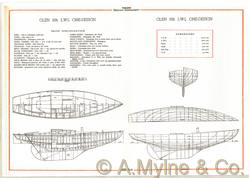
Glen Coe is a wooden yacht built in 1950 by W A Clapham of Bangor, Co Down, to design No. 400 of the Glen Class, developed by A. Mylne & Co. in 1945. She measures 18 feet on the waterline with a beam of 6.5 feet and draft of 4 feet, carrying 267 square feet of sail. The vessel remains in existence.
Ownership
No ownership records held for this vessel.
Crew
No crew records yet. If you've sailed on this yacht, claim your place in her history.
Specification
Details
Registry & Identity
Design Archive
 Misc
MiscDesign No. 400
Glen Class
Designed 1945
Sister Yachts
37 other vessels built to the same design.
Glen Shesk
1946
Glen Shiel
1947
Glenaan
1947
Glen Correl
1947
Glen Shane
1947
Lapwing
1948
Glen
1948· Not Known
Glen Gesh
1948
Glen Roan
1948
Glen Dun
1949
Glenariff
1949
Glen Roy
1949· No
Glen Moyle
1949
Glen Iris
1949
Glen Isla
1949
Glen Oe
1949
Osiris
1949· afloat
Glen Helen
1949
Dorinda
1950· No
Margaret
1950
Glen Orchy
1950
Glendhu
1950
Glen Reagh
1950
Glen May
1950
Glen Elg
1950
Glen Cree
1950
Glen Cona
1951
Pterodactyl
1951
Kingfisher
1951· Not Known
Glen Fern
1951
Unnamed (32
1951· No
Glen Cuan
1951
Glen Millar
1951
Glen Dora
1951
Glen Lena
1952· Not Known
Glen Lark
1952
Glen Luce
1965
Historical Context
The Glen Class was introduced by A. Mylne & Co. in 1945, emerging from the design office's long experience in small-craft development. During the Second World War, yacht design and construction had been severely restricted; the release of new designs in 1945 marked a significant moment of renewal in Scottish and Irish boat-building. The Glen Class responded to anticipated post-war demand for affordable, practical cruising yachts. Several builders adopted the design, including yards in Scotland, Northern Ireland, and beyond. W A Clapham's construction of Glen Coe in 1950 occurred when the Glen Class was established as a proven design type, five years after its introduction. The design's moderate dimensions and wooden construction aligned with the preferences and capabilities of independent boat-builders operating in the immediate post-war decade, when larger production yards and fibreglass construction had not yet consolidated the market.